


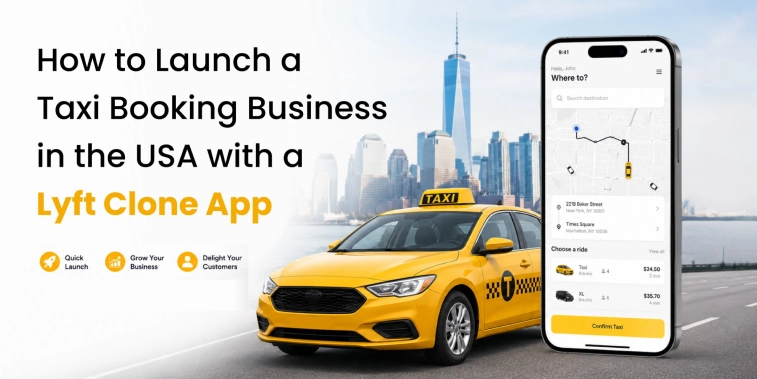
Launching a taxi booking business in the USA presents a promising opportunity in a market that continues to evolve with technology and consumer demand. With the rise of on-demand transportation services, entrepreneurs can leverage innovative solutions like a Lyft clone app to establish their own taxi service. This article will guide you through the essential steps needed to successfully launch your taxi booking business, from understanding market dynamics and legal requirements to developing a feature-rich app and implementing effective marketing strategies. By following this comprehensive roadmap, you can position your business for success in a competitive landscape.
Understanding the Taxi Booking Market in the USA
Current Market Trends
The taxi booking market in the USA is buzzing like a go-getter at rush hour. With the rise of app-based services, customers now expect convenience, affordability, and a touch of pizzazz. Interestingly, the pandemic has shifted commuter habits—people are opting for ride-sharing over public transport due to hygiene concerns. To put it simply, the demand for flexible transportation options is riding high, and the market is ripe for innovative solutions.
Key Competitors and Their Offerings
In the bustling pit stop of the taxi app world, major players like Uber and Lyft dominate the track. Uber boasts a wide range of services from budget-friendly rides to luxe experiences, while Lyft focuses on community and sustainability—think eco-friendly rides with a side of good vibes. Other contenders include smaller, localized services and niche players like Via, which emphasizes shared rides. Understanding these competitors gives you the playbook needed to carve out your own niche in this crowded space.
Target Audience Analysis
Pinpointing your target audience is like finding the perfect playlist for a road trip—essential! Your ideal customers may include daily commuters, party-goers needing a safe ride home, and tourists exploring the big city lights. Gen Z and Millennials, who are tech-savvy and value convenience, are particularly drawn to app-based services. Conducting surveys and utilizing customer personas will help you hit the sweet spot with your marketing strategies.
Key Features of a Lyft Clone App
User Interface and Experience
A great user interface (UI) is like a well-laid-out map—essential to prevent users from getting lost! Your app should be intuitive, stylish, and easy to navigate. This means clean design, eye-catching colors, and a map integration that even a GPS would envy. Smooth transitions and a snappy loading time create a delightful user experience (UX) that keeps your riders coming back for more.
Driver and Rider Features
For drivers and riders, it’s all about making the ride between point A and B as pleasant as possible. Riders need features like ride scheduling, fare estimates, and in-app chat. Meanwhile, drivers will appreciate efficient navigation, earnings tracking, and rider ratings. Don’t forget the “panic button” for added safety—nobody wants to feel like they’re in a horror movie while hailing a ride.
Payment Processing and Security
In a world where folks would rather send money with a tap than count coins, seamless payment processing is king. Integrate various payment methods—credit/debit cards, wallets, and even cryptocurrencies (if you’re feeling adventurous). Security features like encryption and fraud detection help keep users’ financial details safe, ensuring peace of mind and fostering trust in your platform.
Admin Dashboard and Analytics
An admin dashboard is your command center for the taxi app universe. This central hub allows you to monitor rides, track performance metrics, and analyze user behavior. By leveraging analytics, you can identify trends, optimize pricing, and adjust your strategies—kind of like a sports coach in a thrilling game, ensuring your team always comes out on top.
Legal Requirements and Regulations for Taxi Businesses
Licensing and Permits
Before hitting the road, make sure to buckle up on the legal side! Depending on your state, you’ll need various licenses and permits to operate legally. This could include a taxi operating license, business license, and possibly even a special insurance policy. It might feel like jumping through hoops, but compliance keeps your business from stalling.
Insurance Requirements
Insurance isn’t just a good idea—it’s a must! Covering your business, drivers, and riders with the right insurance policies protects against accidents and liabilities. Typically, you’ll want to look into general liability, commercial auto insurance, and additional coverage for both drivers and passengers. And remember, nobody wants to deal with a nasty surprise when things take a turn for the worse!
Compliance with Local and State Laws
Navigating through local and state regulations can feel like a maze, but it’s vital for smooth sailing. Each state has its own set of rules governing taxi operations, including fare structures and driver requirements. Staying in the loop with changes in legislation will save you from unwelcome surprises that could set your business back.
Developing Your Lyft Clone App: Step-by-Step Guide
Choosing the Right Development Team
Selecting the right development team is like choosing your co-pilot—critical for a successful ride! Look for developers with experience in transport apps, a portfolio that makes you go “wow,” and excellent communication skills. A solid partnership is key to transforming your vision into a sleek, functional app.
App Design and Prototyping
The design phase is where your app’s personality shines. Collaborate with designers to create prototypes that wow users with their functionality and aesthetics. Test these prototypes with real users to gather feedback; you want to avoid any design faux pas that could leave users scratching their heads instead of booking rides!
Testing and Quality Assurance
Before launching your app into the wild, rigorous testing is essential. This ensures that every feature works flawlessly and the user experience is top-notch. Conduct thorough quality assurance tests, including functional, usability, and performance testing. You wouldn’t want to release a glorified paperweight—your riders deserve a smooth ride!
Setting Up Your Business Operations
Establishing a Business Structure
Before you roll out your taxi booking business, you need to lay the groundwork with a solid business structure. Decide if you want to go with an LLC, corporation, or perhaps even a sole proprietorship—each has its benefits and drawbacks. Consult with a legal expert (because let’s face it, you don’t want your business plan to end up in the “Oops, I Didn’t Read the Fine Print” bin). Register your business name, obtain the necessary licenses and permits, and don’t forget to look into insurance options to keep your assets safe while you’re busy picking up passengers.
Recruiting Drivers and Staff
Next up—finding the right people to help you drive your vision (and cars). Start by crafting appealing job listings that highlight the perks of working for your company, like flexible hours and the chance to become a local hero—after all, who doesn’t love being the one to save someone from a rainy day? Use both online job boards and local community centers to spread the word. Once you’ve got a pile of applications, ensure you conduct thorough background checks; safety is key, and you want drivers who can be trusted as much as your grandma’s secret cookie recipe.
Setting Pricing Models
Now, let’s talk money—specifically, how to set your pricing models without driving customers away. You can choose between flat rates, dynamic pricing, or even monthly subscription models for avid riders. It’s worth doing some market research to know what competitors are charging, but remember, you’re not just another fish in the sea—you’re aiming to be the great white shark. Keep your pricing competitive but ensure it covers your operational costs and leaves room for profit. Also, consider offering promotional discounts during the launch phase to attract those early adopters.
Marketing Strategies for Your Taxi Booking Service
Building a Brand Identity
Branding isn’t just about slapping a cute logo on your business cards; it’s about establishing an identity that resonates with your audience. Think about how you want customers to feel when they think of your service—reliable? Fun? Eco-friendly? Create a brand story that reflects those values, and make sure your visual elements, from your app design to your car decals, maintain a cohesive look. Your brand should be the ‘cool kid’ that everyone wants to hang out with!
Online and Offline Marketing Tactics
Now that you have your brand identity, it’s time to spread the word! Use online marketing strategies like SEO and PPC to get your app noticed on search engines. Don’t neglect offline tactics—consider traditional methods like local flyers or partnering with local businesses. Sponsoring community events is a great way to build goodwill and get your name out there. Remember, being everywhere is key; the more people see your brand, the more likely they are to book a ride.
Leveraging Social Media and Influencer Partnerships
In this digital age, social media can either make or break your business. Create fun, engaging content that showcases the perks of your taxi service, and don’t be afraid to throw in a few memes here and there to keep it light! Partnering with local influencers can also give your brand a much-needed credibility boost—just make sure they align with your values, and have them share their rides with their followers. Who wouldn’t want to see a ride in a snazzy taxi, after all?
Managing Customer Support and User Experience
Creating Effective Customer Support Channels
Your customers are going to have questions—lots of them! So, set up multiple support channels, like live chat on your app, email support, and even a good old-fashioned phone line for those who still believe in the magic of conversation. Make sure your support team is trained to handle questions efficiently and with a smile (or emojis, if you prefer). Quick responses to inquiries can turn a one-time rider into a loyal customer.
Gathering and Implementing User Feedback
Feedback is your best friend in the business world. Regularly gather user feedback through surveys and app reviews—don’t shy away from criticism; you can improve from it! Create a system to categorize feedback and make necessary changes. If a majority of users want a certain feature, it’s time to listen. Remember, each piece of feedback is a little nugget of gold that can help you refine the user experience.
Enhancing User Retention and Loyalty Programs
Keeping customers coming back is the goal! Implement loyalty programs—think discounts for frequent riders or referral bonuses for bringing in new users. Make your app experience as smooth as possible, and offer a rewards system that makes them feel appreciated. Remember, every happy customer is a walking advertisement for your service, so keep them happy and they’ll do the marketing for you!
Scaling Your Business: Growth Strategies and Future Trends
Expanding to New Markets
Once you’ve mastered your local market, it’s time to think bigger! Expanding to new cities or regions can significantly increase your customer base. Conduct research to identify promising new markets and tailor your offerings to fit the local culture and needs. Just remember, expansion is exciting, but don’t rush it; a solid foundation in each market will lead to sustainable growth.
Integrating New Technologies
Embrace tech trends—whether it’s adding cashless payment options, employing AI for route optimization, or even considering electric vehicles to appeal to eco-conscious consumers. Keeping up with technology not only enhances your service but also shows customers that you’re forward-thinking. Everyone loves a business that keeps up with the times, so keep your tech game strong.
Staying Ahead of Industry Trends
Finally, always keep an eye on the ever-evolving landscape of the transportation industry. Whether it’s new regulations, innovative competitors, or emerging customer preferences, staying informed will give you a leg up on your competition. Subscribe to industry newsletters, join relevant forums, and attend conferences to ensure you’re always ahead of the curve. The more you know, the better your business will perform!In conclusion, launching a taxi booking business using a Lyft clone app can be a rewarding venture if approached with careful planning and execution. By understanding the market, adhering to legal regulations, and focusing on user experience, you can create a service that stands out in a competitive industry. With the right strategies in place, your taxi booking business can not only thrive but also adapt to the evolving needs of customers in the ever-changing landscape of transportation.
Frequently Asked Questions (FAQs)
What is a Lyft clone app, and how does it work?
A Lyft clone app is a software solution that mimics the functionality and features of the Lyft ride-sharing platform. It allows users to book rides through a mobile application, enabling drivers to accept requests and manage their rides while providing a seamless experience for passengers.
What are the legal requirements for starting a taxi booking business?
Legal requirements vary by state and city but typically include obtaining the necessary business licenses, permits, and insurance. It’s essential to research local regulations regarding ride-sharing services and adhere to all compliance standards to operate legally.
How can I effectively market my taxi booking app?
Effective marketing strategies include building a strong brand identity, utilizing online advertising, engaging on social media, and forming partnerships with local businesses. Offering promotions and referral discounts can also help attract new users to your service.
What features should I prioritize when developing my taxi booking app?
Key features to prioritize include a user-friendly interface, real-time GPS tracking, secure payment processing, ride scheduling, and a robust admin dashboard for managing drivers and passengers. Additionally, incorporating customer support options will help enhance user experience.

Parth Kulkarni
Managing Director
Parth Kulkarni is the Managing Director with strong expertise in IT and on-demand app solutions, focused on empowering startups and enterprises with scalable digital products. His strategic leadership and business insight drive innovation, ensuring consistent client success and long-term growth.
